

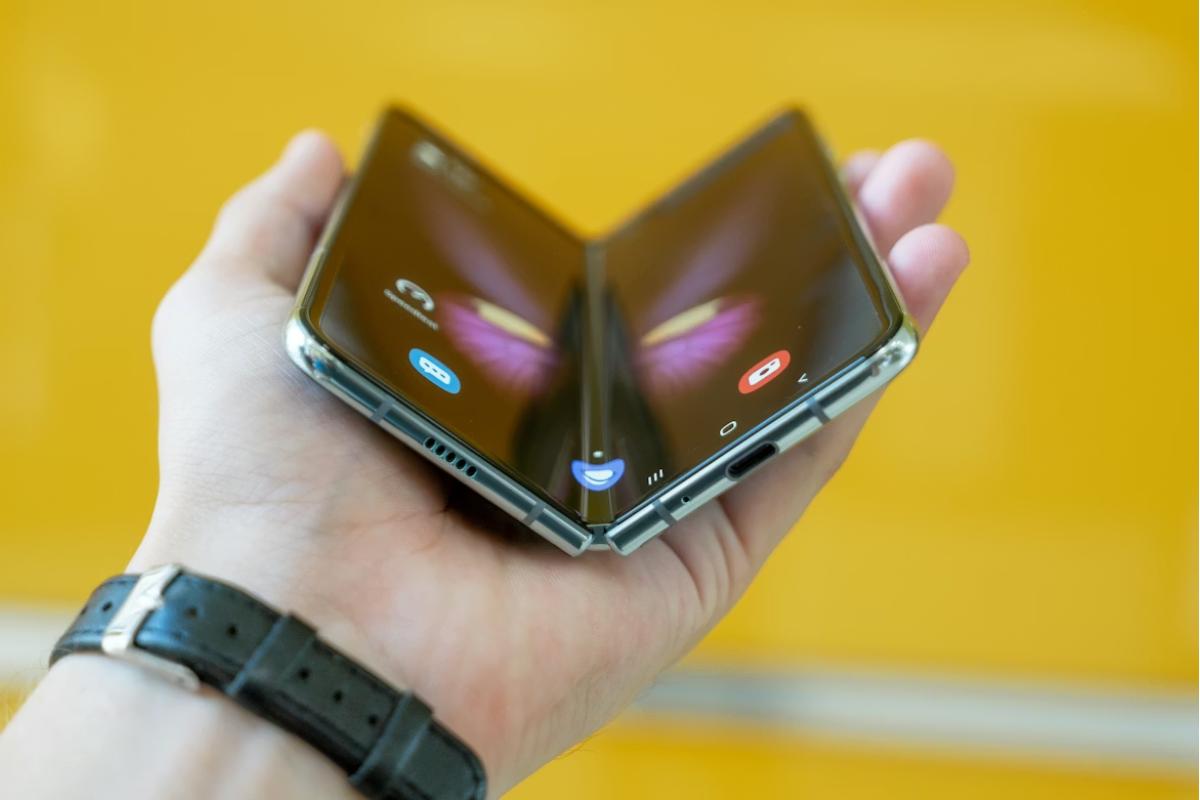
The smartphone industry has reached a point where innovation is no longer just about better cameras or faster processors. In recent years, one of the most exciting breakthroughs covered in technology news has been the rise of foldable smartphones.
In 2026, foldable devices are no longer experimental gadgets—they are becoming a serious segment of the global smartphone market. With improved durability, better performance, and more refined designs, foldable smartphones are slowly transitioning from luxury devices to mainstream options.
This article explores the latest developments, key players, advantages, challenges, and future potential of foldable smartphones.
Understanding Foldable Smartphones
Foldable smartphones feature flexible display technology that allows the device to bend or fold without breaking. Unlike traditional smartphones, they allow switching between compact and expanded modes.
There are mainly two popular types of foldable devices:
- Book-style foldables, which open like a tablet
- Flip-style foldables, which fold into a smaller, pocket-friendly size
This flexibility provides users with a unique combination of portability and productivity.
Latest Technology News in 2026
Foldable smartphones have undergone significant improvements in 2026, addressing many of the issues seen in earlier models.
1. Improved Durability
Manufacturers have introduced stronger hinge mechanisms and more resilient ultra-thin glass. This has significantly reduced the risk of screen damage and increased device lifespan.
2. Reduced Screen Crease
Earlier foldable phones were criticised for visible display creases. Newer models have minimised this issue, offering smoother and more seamless screens.
3. Better Battery Performance
Battery life has improved thanks to optimised hardware and more efficient power management systems. Dual-battery setups are now more common in foldable devices.
4. Enhanced Software Experience
Apps are now better optimised for foldable screens. Users can seamlessly switch between folded and unfolded modes without interruptions.
5. Slimmer and Lighter Designs
Manufacturers are focusing on making foldable phones thinner and lighter, making them more comfortable for daily use.
Key Brands Leading the Foldable Market
Several major smartphone manufacturers are competing aggressively in this space.
Samsung
Samsung continues to dominate the foldable smartphone market with its Galaxy Z series. Its consistent innovation and early market entry have given it a strong advantage.
Huawei
Huawei is known for its premium foldable designs and powerful hardware. Despite challenges in global markets, it remains a key player.
Motorola
Motorola has successfully brought back the flip phone concept with modern technology, appealing to users who value compact designs.
Xiaomi
Xiaomi is gaining popularity by offering feature-rich foldable devices at relatively competitive prices.
Why Foldable Smartphones Are Gaining Popularity
The increasing interest in foldable smartphones is not accidental. Several factors are driving their adoption.
Unique User Experience
Foldable phones offer something traditional smartphones cannot—a dynamic screen size. Users can enjoy a compact device that transforms into a larger display when needed.
Productivity Benefits
With larger screens, users can multitask more efficiently. Running multiple apps simultaneously has become easier and more practical.
Premium Appeal
Foldable smartphones are often seen as high-end devices, making them attractive to tech enthusiasts and early adopters.
Innovation Factor
In a market where most smartphones look similar, foldable devices stand out as a symbol of innovation.
Advantages of Foldable Smartphones
Foldable smartphones offer several advantages that make them a compelling choice.
They combine the functionality of a smartphone and a tablet into one device. This reduces the need to carry multiple gadgets.
They enhance entertainment experiences by providing larger displays for video, gaming, and reading.
They improve multitasking capabilities, making them ideal for professionals and power users.
Additionally, they represent the future of mobile technology, attracting users who want to stay ahead of trends.
Challenges Facing Foldable Smartphones
Despite their progress, foldable smartphones still face some limitations.
High Cost
Foldable devices remain more expensive than traditional smartphones. This limits their accessibility for many users.
Durability Concerns
Although improvements have been made, foldable screens are still more fragile than standard displays.
Limited App Optimisation
While software support has improved, not all apps are fully optimised for foldable screens.
Battery Constraints
Larger displays require more power, which can impact battery life.
Market Trends and Consumer Adoption
The global market for foldable smartphones is growing steadily. More consumers are showing interest in trying new form factors.
Prices are gradually decreasing as competition increases and production becomes more efficient. This is expected to drive wider adoption in the coming years.
Emerging markets, including countries like India, are also seeing growing interest in foldable devices, especially among premium users.
Future Innovations to Watch
The future of foldable smartphones is full of possibilities.
Manufacturers are exploring new technologies such as rollable displays, stretchable screens, and even foldable laptops.
We may also see improvements in battery technology, making devices more efficient and long-lasting.
As technology evolves, foldable devices could become thinner, more durable, and more affordable.
Expert Insights: Are Foldables the Future?
Industry experts believe that foldable smartphones have strong potential but may take time to replace traditional devices fully.
Their success will depend on factors such as affordability, durability, and user experience.
If manufacturers can address current challenges, foldable smartphones could become the standard in the next decade.
Conclusion
Foldable smartphones represent one of the most exciting developments in modern technology. They are not just a trend—they are a glimpse into the future of mobile devices.
With continuous improvements in design, performance, and usability, foldable phones are becoming more practical for everyday use.
While challenges remain, the progress made so far suggests that foldable smartphones will play a significant role in shaping the next generation of technology.