

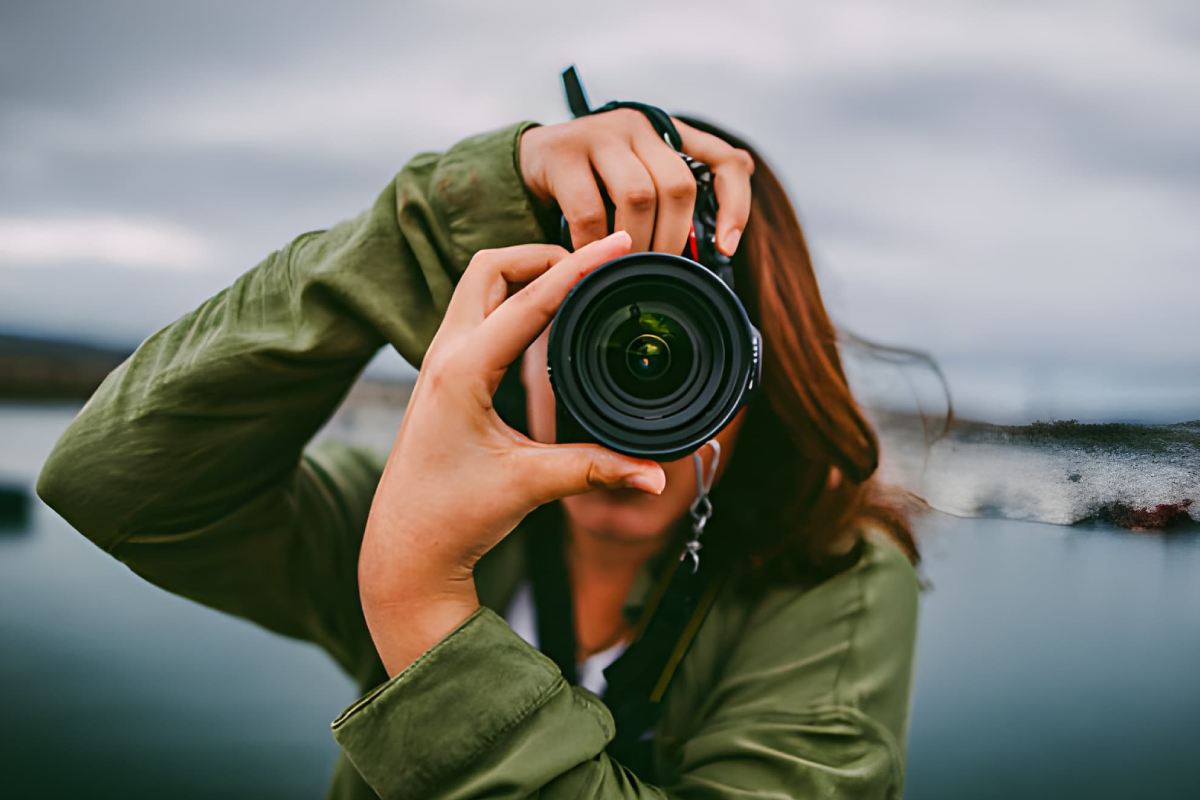
The event camera is one of many new cameras released recently. What exactly is an event camera? This type of camera captures images as live events—such as concerts and parades—unfold, showcasing them from angles previously impossible to capture. It is also capable of recording high-definition (HD) video with a wide-angle lens and autofocus. However, these capabilities make event cameras more expensive than a standard compact digital (point-and-shoot) camera or a conventional mobile phone camera.
Features of event cameras
Many users of these cameras fail to realise that they may be unable to record an entire event due to storage limitations or a lack of familiarity with the device. To resolve this, connect the camera to a computer and download the saved images and videos. These files can be transported to a computer for future viewing (e.g., for archival purposes) or for sharing via email or photo albums on social media platforms.
Many event cameras are water-resistant. Some come equipped with waterproof housings, giving users peace of mind that their cameras will not be damaged if they accidentally fall into a swimming pool or other bodies of water. The two sensors that make up this system are the pixels themselves, or the Photo-Interrupter System (PIS). The PIS consists of two independent photodiodes that are activated by light. When signals from both sensors converge at the photodiode, a digital signal is produced and sent to the CPU, representing the specific information for each pixel.
Camera Lens
The lens on an event camera allows users to switch between a wide-angle and a telephoto view by adjusting the zoom and focus at specific distances. The closer the camera is positioned, the sharper and clearer the image will appear. If the subject is located at a great distance—such as during a parade—the image will appear pixelated due to poor focus, resulting in low-quality footage.
Shutter Speed
The shutter speed of an event camera determines how long it takes to capture each image frame. A slower shutter speed produces greater motion blur and double-exposure effects; conversely, a faster speed yields sharper images with less blur, ensuring that every shot features defined lines from start to finish, free of blurry distortions.
Camera Aperture
The aperture of an event camera determines the amount of light entering the device, which affects the exposure level. A higher f-number (such as f/2.0) creates a smaller opening, allowing less light to arrive and producing a darker image; conversely, a lower f-number (such as f/11) creates a larger opening, allowing more light to enter and resulting in a brighter image. Most cameras also feature an automatic setting that lets the user choose the most appropriate configuration based on the surrounding environment.
White Balance
White balance is used in an event photographic camera to ensure that every colour nuance appears true to life, without exhibiting unwanted tints caused by variations in lighting conditions. Without the correct settings, images may appear too dark or too bright; likewise, colours could appear oversaturated, take on an incorrect whitish cast, or display a general tint that distorts the image.
Autofocus Systems
The autofocus system on event cameras adjusts automatically based on what appears in the image. When capturing an image. The autofocus system calibrates itself based on where it detects the main subject, then takes the photograph.
Camera Flash
The flash on an event camera can operate automatically—turning on and off depending on the amount of light required by the subject—or manually. Allowing users to adjust the flash intensity according to their preferences and the surrounding lighting conditions.
Benefits of Event Cameras
1. Protecting Witnesses
Event cameras can be an invaluable tool for protecting potential witnesses. Both in academic settings (e.g., classrooms) and in the workplace. In a wide variety of situations, these cameras provide a valuable record of events; from lectures to working out programs. Event cameras are an excellent resource for documenting the activities taking place.
Furthermore, event cameras enable instructors or staff to monitor students’ or employees’ actions, providing clear evidence that facilitates error identification and the implementation of necessary corrections. As employees advance within the company. It becomes equally important for them to review their work history and discover better ways to perform their duties by analysing footage captured by the event cameras.
2. Better Record-Keeping
One of the most highly valued benefits of event cameras is their ability to streamline record management and maintenance. Each device is designed with a small amount of built-in internal memory, allowing it to store various recordings. Since most of these cameras feature an SD card slot. Both employees and students can save their recordings and access them whenever necessary. In this way, reviewing footage captured during an event proves invaluable.
Event cameras not only enhance recording capabilities but also serve as reliable witnesses to any situation, providing clear evidence and demonstrating exactly what transpired in circumstances that might become the subject of judicial proceedings or other legal formalities.
3. Evidence
Law enforcement agencies and other private organisations frequently utilise event cameras. Their use in courtrooms and other settings offers significant advantages, making their absence difficult to overlook. For instance. Event cameras can provide a clearer picture of what transpired—even for the most seasoned observer—which proves invaluable for any evidentiary purpose.
Furthermore, recordings from these cameras offer excellent first-person testimony that can be admitted as evidence in legal proceedings. Many of these video systems feature a high level of security. Thanks to the encoding settings included as standard in most models. This serves as an effective means of safeguarding the integrity of the evidence from the moment it is recorded until it is downloaded to a hard drive or SD card.
4. Medical Settings
Hospitals and other healthcare facilities can utilise event cameras to facilitate medical management. There are numerous situations in which an event camera can contribute to the execution of various functions. However, one of its most critical roles is to provide support to healthcare professionals. When a doctor or other medical staff affiliate records their interactions with patients.
This data proves highly beneficial for improving treatments and patient care, as it allows professionals to review their past performance. Moreover. These recordings can foster a stronger physician-patient relationship—one focused on real-time events rather than relying on notes drafted days or weeks later.
5. New Product Development
Event cameras serve as an excellent tool for any organisation seeking to optimise its operations. From the classroom to the boardroom. These cameras offer a wide diversity of applications and benefits that enhance productivity across environments. Currently, organisations such as NASA employ event cameras to improve communication within spacecraft.
Thereby ensuring that a greater volume of information is captured at all times. This underscores the fundamental importance that these devices have assumed within certain industries. Generally, event cameras feature a wide-angle lens and can capture an event, location, or person in real time. This can range from closed-circuit television (CCTV) footage to sporting events or business meetings. Event cameras are widely utilised across numerous sectors, such as security, entertainment, and medicine.