

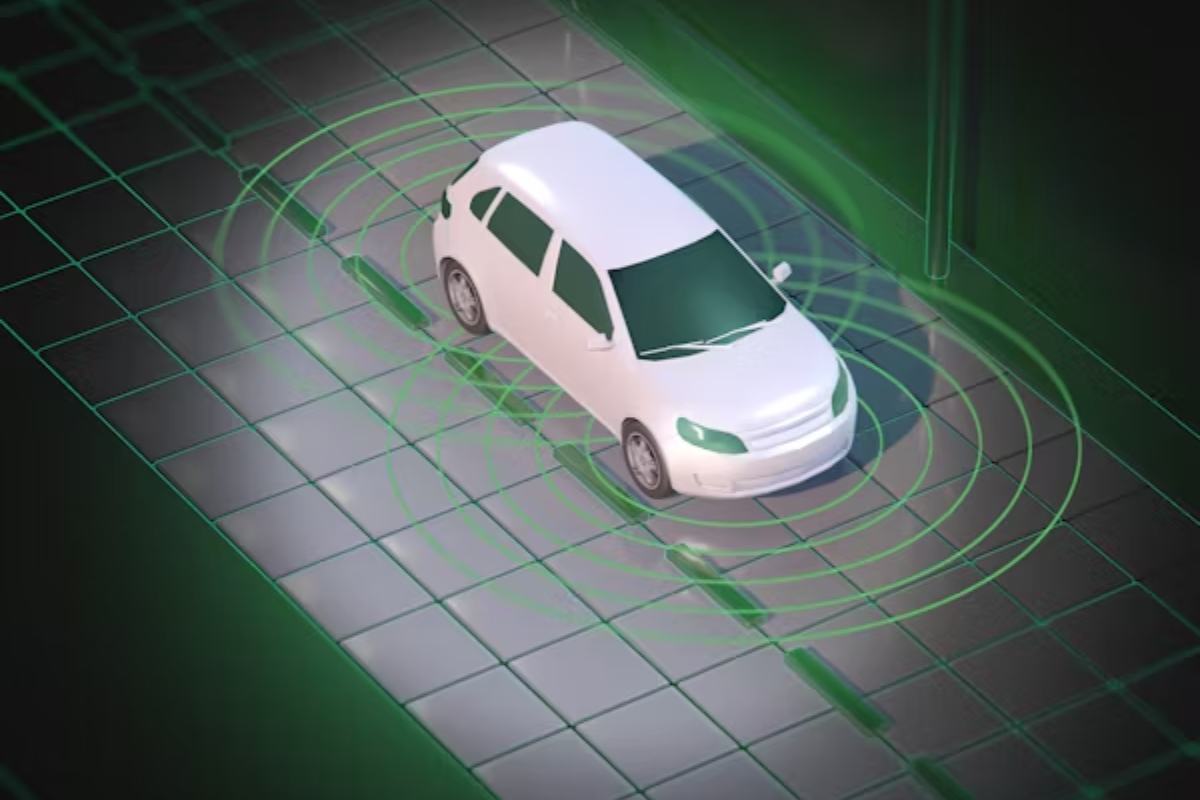
The automotive world is rapidly shifting from hardware-driven engineering to intelligent, software-powered ecosystems. Vehicles today are no longer just machines that transport people—they are becoming smart, connected platforms capable of learning, adapting, and improving over time.
At the centre of this transformation is Artificial Intelligence (AI). From enabling cars to drive themselves to predicting mechanical failures before they happen, AI is reshaping every aspect of automotive software development. This shift is not only improving safety and efficiency but also redefining how manufacturers design, maintain, and upgrade vehicles.
In this in-depth guide, we’ll explore how AI is revolutionising autonomous driving and predictive maintenance, and why these technologies are critical to the future of mobility.
The Transformation of Automotive Software Development
From Traditional Vehicles to Intelligent Systems
In the past, vehicles relied mainly on mechanical components and basic electronic systems. Today, however, cars are increasingly defined by software. A modern vehicle can contain over 100 million lines of code, controlling everything from braking systems to infotainment and navigation.
This evolution has given rise to software-defined vehicles (SDVs)—cars where software plays a central role in functionality, performance, and user experience.
Key technologies driving this shift include:
- Artificial Intelligence and Machine Learning
- Internet of Things (IoT) connectivity
- Cloud computing platforms
- Advanced embedded systems
These innovations allow vehicles to process massive amounts of data in real time and deliver smarter, safer driving experiences.
The Role of AI in Modern Automotive Systems
Artificial Intelligence acts as the “brain” of modern vehicles. It enables systems to:
- Interpret sensor data instantly
- Learn from driving patterns
- Make decisions without human input
- Continuously improve performance
AI is now deeply integrated into:
- Advanced Driver Assistance Systems (ADAS)
- Autonomous driving technologies
- Predictive maintenance platforms
- Smart infotainment systems
This integration is what makes modern vehicles intelligent rather than reactive.
AI in Autonomous Driving
What is Autonomous Driving?
Autonomous driving denotes to vehicles that can operate with minimal or no human intervention. These systems rely on AI to understand their surroundings, make decisions, and navigate safely.
Autonomy levels range from:
- Level 0: No automation
- Level 2–3: Partial to conditional automation
- Level 5: Fully self-driving vehicles
While fully autonomous cars are still under development, many vehicles today already use AI-powered features like adaptive cruise control and lane-keeping assistance.
Core Technologies Behind Autonomous Vehicles
1. Computer Vision
Computer vision allows vehicles to interpret visual information from cameras. It helps detect:
- Road signs
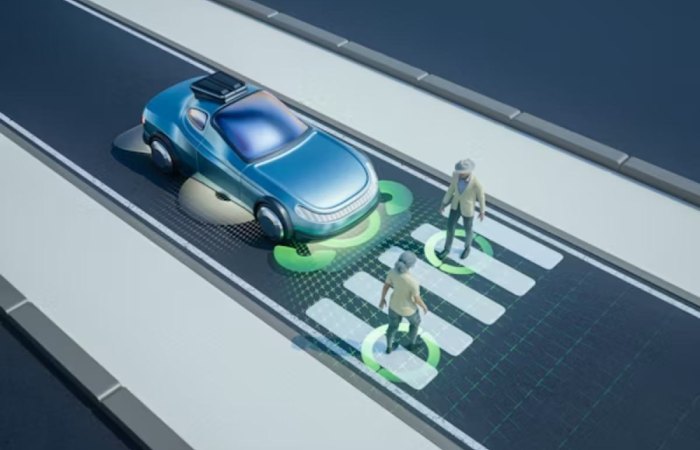
- Pedestrians
- Traffic lights
- Lane markings
This capability is essential for real-time decision-making.
2. Machine Learning and Deep Learning
Machine learning enables vehicles to improve their performance based on data. Deep learning models can analyse complex driving environments and recognise patterns that traditional systems cannot.
For example:
- Identifying unusual traffic behaviour
- Predicting pedestrian movement
- Adapting to different weather conditions
3. Sensor Fusion
Autonomous vehicles rely on multiple sensors, such as:
- LiDAR
- Radar
- Cameras
- Ultrasonic sensors
Sensor fusion trusts data from these sources to create a complete and accurate understanding of the environment.
4. Edge Computing for Real-Time Decisions
In autonomous driving, timing is critical. Edge computing enables data processing directly in the vehicle, reducing delays and enabling instant responses.
Advantages of AI-Powered Autonomous Driving
Increased Road Safety
Human error is responsible for the majority of accidents. AI systems reduce risks by maintaining consistent attention and making precise decisions.
Improved Traffic Flow
Autonomous vehicles can communicate and optimise driving behaviour, reducing congestion and improving fuel efficiency.
Enhanced Driving Experience
AI enables features like:
- Voice-controlled systems
- Personalised settings
- Intelligent navigation
This leads to a more comfortable and convenient journey.
Greater Accessibility
Self-driving technology can provide mobility solutions for individuals who cannot drive, including older people and people with disabilities.
Challenges Facing Autonomous Driving
Despite its potential, autonomous driving still faces several obstacles:
Regulatory Barriers
Governments worldwide are still developing policies for self-driving vehicles.
Ethical Considerations
AI must make complex decisions in critical situations, raising moral questions.
High Costs
Developing autonomous systems requires significant investment in technology and infrastructure.
Technical Limitations
Achieving full autonomy ruins a challenge due to unpredictable real-world conditions.
AI for Predictive Maintenance
Understanding Predictive Maintenance
Predictive maintenance uses AI to monitor vehicle conditions and detect issues before they become serious problems.
Unlike traditional methods:
- Reactive maintenance fixes problems after failure
- Preventive maintenance follows scheduled servicing
- Predictive maintenance anticipates failures in advance
This approach allows for smarter, data-driven maintenance decisions.
How Predictive Maintenance Works
Continuous Data Collection
Modern vehicles are equipped with sensors that track:
- Engine performance
- Temperature levels
- Battery condition
- Tire pressure
These sensors generate real-time data streams.
AI-Based Analysis
AI algorithms analyse this data to identify patterns and detect anomalies that may indicate potential failures.
Machine Learning Models
Machine learning models use historical data to predict when a component is likely to fail. Over time, these models become more accurate.
Real-Time Alerts
Drivers and fleet managers receive instant notifications about potential issues, allowing them to take action before breakdowns occur.
Benefits of Predictive Maintenance
1. Reduced Unexpected Breakdowns
Early detection prevents sudden failures, improving reliability.
2. Lower Maintenance Costs
Fixing issues early is far less expensive than dealing with major repairs.
3. Extended Vehicle Lifespan
Regular monitoring helps maintain optimal performance and reduces wear and tear.
4. Improved Safety
Preventing mechanical failures ensures safer driving conditions.
Real-World Applications
1. Fleet Management
Companies use predictive maintenance to monitor multiple vehicles, optimise servicing schedules, and reduce downtime.
2. Electric Vehicles (EVs)
AI plays a crucial role in monitoring battery health, which is critical for EV performance.
3. Automotive Manufacturing
Manufacturers use AI to predict equipment failures and avoid production delays.
Integration of AI in Automotive Software Development
Software-Defined Architecture
Modern vehicles are built on centralised software platforms that allow:
- Over-the-air (OTA) updates
- Continuous feature improvements
- Remote diagnostics
Cloud and Edge Integration
Cloud systems handle large-scale data analysis, while edge computing ensures real-time processing inside the vehicle.
Agile and DevOps Practices
Automotive companies are adopting modern software development methodologies to accelerate innovation and improve quality.
Emerging Trends in Automotive AI
- Generative AI in Design
AI is being used to design more efficient and aerodynamic vehicles.
- Driver Monitoring Systems
AI systems can detect driver fatigue, distraction, and unsafe behaviour.
- Connected Mobility Ecosystems
Vehicles are becoming part of larger smart city networks, improving transportation efficiency.
- Personalised In-Car Experiences
AI customises settings, entertainment, and navigation based on user preferences.
The Future of Automotive AI
The future of automotive software development is driven by AI innovation. Key developments to watch include:
- Wider adoption of autonomous vehicles
- Growth of predictive maintenance systems
- Increased integration with smart infrastructure
- Advanced AI-powered analytics
As computing power continues to grow, vehicles will become even more intelligent, efficient, and connected.
Challenges in AI Adoption
- Data Security and Privacy
- Handling large amounts of data raises cybersecurity concerns.
- Integration Complexity
- Implementing AI into existing systems can be technically challenging.
- Talent Shortage
There is a growing demand for skilled professionals in AI and automotive software development.
Conclusion
The automotive industry is entering a new era defined by intelligence, connectivity, and automation. AI is at the forefront of this transformation, enabling vehicles to operate autonomously and maintain themselves through predictive insights.
Autonomous driving is set to redefine mobility by making transportation safer and more efficient, while predictive maintenance is helping reduce costs and improve reliability. Together, these advancements are creating a future where vehicles are not just tools, but intelligent systems that enhance everyday life.
Although challenges remain, continuous innovation in AI and software development will drive the industry forward. Businesses that embrace these technologies today will be the leaders of tomorrow’s mobility landscape.
In simple terms, the future of automobiles is no longer just mechanical—it is intelligent, adaptive, and powered by AI.
FAQs
1. What is AI in automotive software development?
AI in automotive software development refers to the use of artificial intelligence technologies like machine learning, computer vision, and data analytics to enhance vehicle performance, safety, and user experience. It powers systems such as autonomous driving, predictive maintenance, and smart infotainment.
2. How does AI enable autonomous driving?
AI enables autonomous driving by processing data from sensors, cameras, and radar systems. It helps vehicles recognise objects, understand road conditions, make decisions, and navigate safely without human intervention.
3. What are the levels of autonomous driving?
Autonomous driving is divided into six levels:
- Level 0: No automation
- Level 1: Driver assistance
- Level 2: Partial automation
- Level 3: Conditional automation
- Level 4: High automation
- Level 5: Full automation
Most modern vehicles operate at Level 2 or Level 3.
4. What is predictive maintenance in the automotive industry?
Predictive maintenance uses AI and sensor data to monitor vehicle health and predict potential failures before they occur. This allows for timely repairs and reduces unexpected breakdowns.
5. How does predictive maintenance benefit vehicle owners?
Predictive maintenance offers several benefits:
- Reduces repair costs
- Prevents sudden breakdowns
- Extends vehicle lifespan
- Improves overall safety
6. What technologies are used in autonomous vehicles?
Autonomous vehicles rely on technologies such as:
- Computer vision
- Machine learning
- Sensor fusion
- LiDAR and radar systems
- Edge computing
7. Is autonomous driving completely safe?
While autonomous driving significantly improves safety by reducing human error, it is not yet 100% safe. Ongoing advancements and regulations are needed to achieve full reliability.
8. How does AI improve vehicle safety?
AI improves safety by enabling features like:
- Automatic emergency braking
- Lane departure warnings
- Collision detection
- Driver monitoring systems
These features help prevent accidents and enhance driver awareness.
9. What role does IoT play in automotive software development?
The Internet of Things (IoT) connects vehicles to external systems, allowing real-time data exchange. This supports features like remote diagnostics, predictive maintenance, and smart navigation.
10. Can AI reduce vehicle maintenance costs?
Yes, AI can significantly reduce maintenance costs by identifying issues early, minimising major repairs, and optimising maintenance schedules.
11. What is a software-defined vehicle (SDV)?
A software-defined vehicle is a car whose functions are controlled primarily by software. Features can be updated remotely through over-the-air (OTA) updates, improving performance without physical modifications.
12. What are the challenges of using AI in the automotive industry?
Some key challenges include:
- Data privacy concerns
- High development costs
- Regulatory limitations
- Complexity in system integration
13. How is AI used in electric vehicles (EVs)?
AI is used in EVs to monitor battery health, optimise energy consumption, improve charging efficiency, and enhance overall performance.
14. What is sensor fusion in autonomous driving?
Sensor fusion combines data from multiple sensors, such as cameras, radar, and LiDAR, to create a comprehensive and accurate understanding of the vehicle’s surroundings.
15. What is the future of AI in the automotive industry?
The future of AI in automotive includes fully autonomous vehicles, smarter predictive maintenance systems, connected smart cities, and highly personalised driving experiences.