

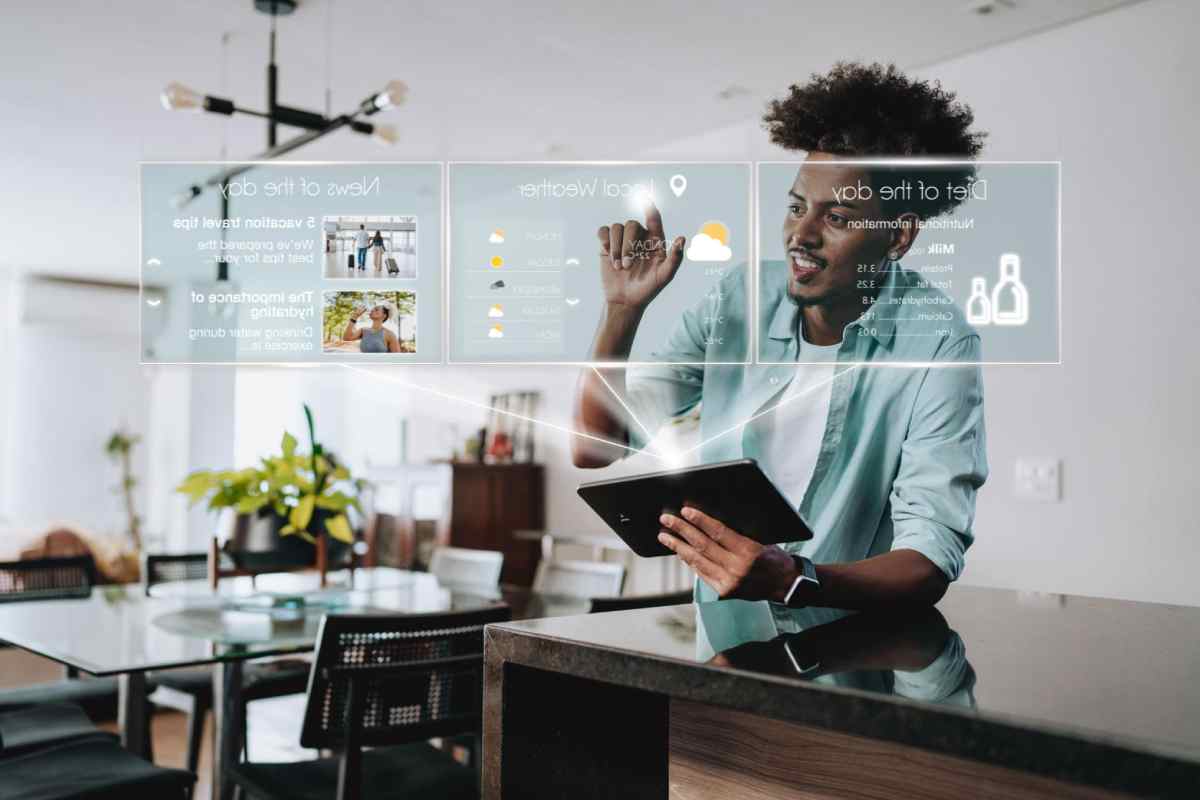
Take a moment and think about your daily routine. You wake up, check your phone, maybe ask a voice assistant about the weather, scroll through social media, and watch recommended videos. What do all these activities have in common? They are powered by artificial intelligence.
Artificial Intelligence (AI) has moved far beyond science fiction. It is now deeply embedded in our everyday lives, often in ways we don’t even notice. From simplifying small daily tasks to solving complex global problems, AI is changing how we live, work, and interact with technology.
In this detailed guide, we will explore how artificial intelligence is evolving in everyday life, its real-world applications, benefits, challenges, and what the future holds.
What is Artificial Intelligence?
Artificial Intelligence refers to machines or software that can mimic human intelligence. This includes learning from data, recognising patterns, making decisions, and even understanding language.
AI systems use technologies such as machine learning, natural language processing, and computer vision to perform tasks that typically require human intelligence.
In simple terms, AI allows machines to “think,” “learn,” and “improve” over time.
AI in Smart Homes: A New Level of Comfort
One of the most noticeable uses of artificial intelligence is in smart homes. Devices are no longer just tools—they are becoming intelligent assistants.
Smart speakers, thermostats, lighting systems, and security cameras all use AI to automate tasks. For example, a smart thermostat can learn your daily routine and automatically adjust the temperature. Smart lighting systems can turn on and off based on your behaviour.
Voice assistants can manage your schedule, answer questions, and control devices with simple commands.
In the future, smart homes will become even more intuitive. Imagine a home that prepares your morning coffee, adjusts lighting based on your mood, and reminds you of important tasks—all without manual input.
AI in Smartphones and Apps
Your smartphone is one of the most powerful AI tools you use daily.
AI powers features like face recognition, voice typing, and camera enhancements. When your phone suggests replies to messages or organises your photos automatically, that’s AI at work.
Streaming platforms and social media apps also rely heavily on AI. They analyse your behaviour to recommend content you are most likely to enjoy.
This personalisation makes the user experience smoother, faster, and more engaging.
AI in Healthcare: Saving Lives with Technology
Healthcare is being transformed by artificial intelligence in remarkable ways.
AI systems can analyse large amounts of medical data quickly and accurately. This helps doctors diagnose diseases earlier and make better treatment decisions.
For example, AI can detect patterns in medical scans that the human eye might miss. Wearable devices like fitness trackers monitor health in real time and alert users about potential issues.
Telemedicine is also growing, with AI helping doctors provide remote consultations and support.
In the future, AI could enable personalised medicine, tailoring treatments to each individual’s genetic makeup.
AI in Transportation: Smarter and Safer Travel
Transportation is becoming more efficient thanks to AI.
Navigation apps use AI to analyse traffic patterns and suggest the fastest routes. Ride-sharing platforms use AI to efficiently match drivers with passengers.
Self-driving cars are one of the most exciting developments. These vehicles use AI to detect surroundings, make decisions, and drive safely without human intervention.
While fully autonomous vehicles are still developing, they have the potential to reduce accidents, save time, and transform urban mobility.
AI in Business and Marketing
Businesses are increasingly relying on AI to improve operations and customer experience.
AI helps companies analyse customer behaviour, predict trends, and make data-driven decisions. Chatbots provide instant customer support, reducing response times and improving satisfaction.
Marketing has also changed dramatically. AI tools can target specific audiences, create personalised ads, and optimise campaigns for better results.
For business owners and bloggers like you, AI can help with content creation, keyword research, and SEO optimisation.
AI in Education: Personalised Learning
Education is becoming more flexible and personalised thanks to AI.
AI-powered platforms adapt learning materials based on a student’s progress and understanding. This ensures that each student learns at their own pace.
Virtual tutors and AI assistants provide instant feedback and support, making learning more interactive.
Online education platforms are also using AI to recommend courses and learning paths tailored to individual goals.
In the future, classrooms may become fully digital, with AI playing a central role in teaching and assessment.
AI in Entertainment and Media
Entertainment is another area where AI is making a huge impact.
Streaming services recommend movies and shows based on your viewing history. Music platforms create personalised playlists using AI algorithms.
Even content creation is being influenced by AI. Tools can now generate images, videos, and written content.
Gaming is also becoming more immersive, with AI creating realistic environments and intelligent characters.
Benefits of Artificial Intelligence in Everyday Life
AI offers numerous benefits that make life easier and more efficient.
It saves time by automating repetitive tasks. Improves accuracy by reducing human error. It enhances convenience by providing personalised experiences.
AI also helps in solving complex problems, from medical research to climate change analysis.
Overall, AI is increasing productivity and improving the quality of life.
Challenges and Risks of AI
Despite its advantages, AI also comes with challenges.
Data privacy is a major concern, as AI systems rely on large amounts of personal data. There is also the risk of job displacement due to automation.
Bias in AI algorithms can lead to unfair outcomes, underscoring the importance of ethical considerations.
To address these issues, governments and organisations are developing regulations and ethical guidelines.
The Future of Artificial Intelligence
The future of artificial intelligence in everyday life is incredibly exciting.
AI will continue to evolve, becoming more advanced and more integrated into daily activities. Smart cities, advanced robotics, and intelligent systems will become more common.
AI could help solve some of the world’s biggest challenges, including healthcare accessibility, environmental issues, and economic development.
As technology progresses, the key will be to use AI responsibly and ensure it benefits everyone.
Conclusion
Artificial Intelligence is no longer a distant concept—it is a reality shaping our everyday lives.
From smart homes and healthcare to business and education, AI is transforming every aspect of society. While challenges exist, the potential benefits are enormous.
Understanding and embracing artificial intelligence will be essential as we move into a more connected and intelligent future.