

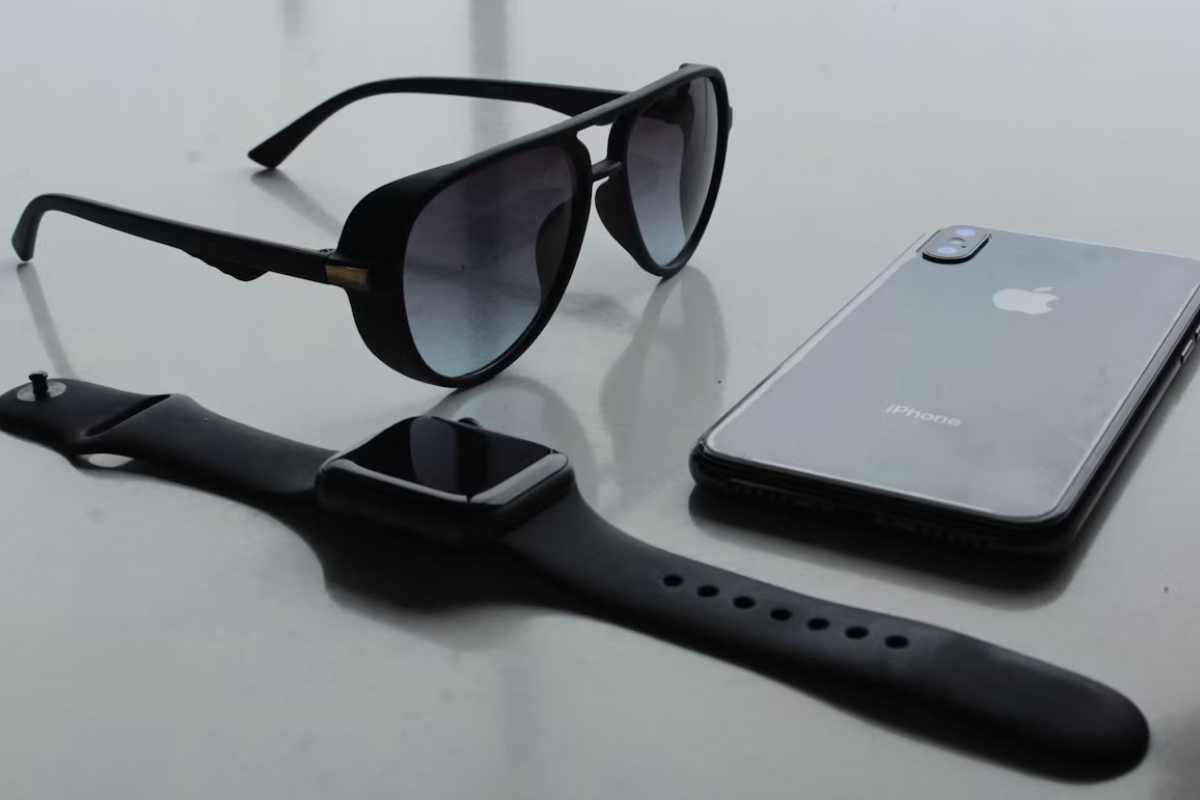
Technology has become an integral part of everyday life, and one of the most exciting developments in recent years is the rise of wearable technology. Unlike traditional gadgets that remain in pockets, bags, or on desks, wearable devices are designed to be worn directly on the body, providing constant access to information, communication, and health monitoring features.
From smartwatches and fitness trackers to smart glasses and advanced health-monitoring devices, wearable technology has transformed how people interact with digital information. These devices offer convenience, connectivity, and personalized insights that help users make informed decisions about their health, productivity, and lifestyle.
The wearable technology market continues to grow rapidly as manufacturers introduce innovative features powered by artificial intelligence, advanced sensors, and improved connectivity. Understanding how wearable technology works and the benefits it offers can help consumers make smarter decisions when choosing these increasingly popular devices.
What Is Wearable Technology?
Wearable technology refers to electronic devices worn on the body that collect data, provide information, and interact with users in real time. These devices often include sensors, wireless communication capabilities, and software applications that enable them to perform various functions.
Unlike conventional gadgets, wearable devices are intended to integrate seamlessly into daily activities. They continuously monitor information such as physical activity, heart rate, sleep patterns, and environmental conditions while providing instant access to notifications and digital services.
The combination of portability, connectivity, and intelligent data analysis makes wearable technology one of the most influential categories in modern consumer electronics.
The Evolution of Wearable Technology
The concept of wearable technology has existed for decades, but recent advancements in computing power and miniaturization have accelerated its development. Early wearable devices were limited in functionality and often focused on simple calculations or basic fitness tracking.
Over time, improvements in battery technology, wireless connectivity, and sensor accuracy enabled manufacturers to create more sophisticated products. Modern wearable devices can track complex health metrics, support voice assistants, provide navigation guidance, and even facilitate contactless payments.
Today, wearable technology extends beyond consumer gadgets and is increasingly used in healthcare, sports, education, and industrial environments.
How Wearable Technology Works
Wearable devices rely on a combination of hardware and software components to deliver functionality. Most wearables include sensors that collect data related to movement, location, biometric measurements, or environmental conditions.
This data is processed locally on the device or transmitted to connected smartphones and cloud platforms for analysis. Wireless technologies such as Bluetooth and Wi-Fi enable seamless communication between devices and applications.
Advanced algorithms and artificial intelligence help interpret collected data, transforming raw information into meaningful insights that users can understand and act upon.
Types of Wearable Technology
Wearable technology encompasses a wide range of products designed for different purposes.
Smartwatches are among the most popular wearables, offering features such as notifications, fitness tracking, communication tools, and mobile payments. Fitness trackers primarily monitor physical activity, exercise performance, and health metrics.
Smart glasses provide augmented reality experiences and hands-free access to information. Smart rings offer compact health tracking capabilities in a discreet form factor. Specialized wearable devices are also used in healthcare for patient monitoring and medical data collection.
Each category continues to evolve as manufacturers introduce new features and capabilities.
Benefits of Wearable Technology
One of the primary reasons wearable technology has become so popular is the wide range of benefits it offers. These devices provide users with immediate access to information while helping them stay connected and informed throughout the day.
Health and fitness monitoring is perhaps the most recognized benefit. Wearable devices can track daily activity levels, heart rate, calories burned, sleep quality, and other important health metrics. This data helps users better understand their habits and make informed lifestyle changes.
Convenience is another major advantage. Smartwatches and other wearables provide instant access to notifications, messages, calls, and reminders without requiring users to check their smartphones constantly. This improves productivity and helps people stay organized.
Wearable technology also enhances safety in certain situations. Some devices include emergency alert features, fall detection capabilities, and location tracking services that can be especially valuable for elderly individuals and people with medical conditions.
As wearable devices continue to evolve, they are becoming increasingly capable of providing personalized experiences that improve everyday life.
Wearable Technology in Healthcare
Healthcare is one of the industries experiencing the greatest impact from wearable technology. Medical professionals and patients alike are benefiting from devices that provide continuous health monitoring and real-time insights.
Modern wearable health devices can track heart rate variability, blood oxygen levels, sleep quality, stress levels, and physical activity. This information helps users identify potential health concerns before they become more serious.
Healthcare providers are increasingly using wearable technology to monitor patients remotely. Individuals with chronic conditions can share health data with medical professionals, reducing the need for frequent in-person visits while improving ongoing care management.
Wearable devices are also playing a role in preventive healthcare. By encouraging users to stay active, monitor vital signs, and maintain healthy habits, these technologies support overall wellness and long-term health outcomes.
As sensor technology continues to improve, wearable healthcare devices are expected to become even more accurate and capable of monitoring a broader range of health indicators.
Wearable Technology for Fitness and Sports
Fitness enthusiasts and athletes have embraced wearable technology as a valuable tool for tracking performance and achieving training goals. These devices provide detailed insights that were once only available through professional equipment.
Fitness trackers and smartwatches can monitor steps taken, distance traveled, calories burned, workout intensity, and recovery metrics. Many devices also include GPS functionality, allowing runners, cyclists, and outdoor enthusiasts to track routes and performance accurately.
Athletes benefit from advanced metrics such as heart rate zones, training load analysis, and recovery recommendations. These insights help optimize training programs and reduce the risk of overtraining or injury.
Many wearable devices also include coaching features that provide personalized workout suggestions and motivation. By combining real-time feedback with historical performance data, users can continuously improve their fitness levels and achieve better results.
The Role of Artificial Intelligence in Wearable Technology
Artificial intelligence is transforming wearable technology by making devices smarter, more personalized, and more useful. AI-powered algorithms analyze vast amounts of data collected by wearable sensors and convert it into actionable insights.
For example, wearable devices can identify patterns in sleep behavior and recommend improvements to sleep quality. Fitness wearables use AI to evaluate workout performance and suggest personalized training adjustments based on user goals.
Some advanced devices can detect irregular heart rhythms, monitor stress levels, and provide early warnings about potential health concerns. AI helps make these assessments more accurate by continuously learning from user data and improving prediction models over time.
Voice assistants integrated into wearable devices also benefit from artificial intelligence, enabling users to interact naturally with technology through voice commands and conversational interfaces.
As AI capabilities continue to advance, wearable devices will become increasingly proactive in supporting health, productivity, and lifestyle management.
Challenges and Privacy Concerns
Despite the many advantages of wearable technology, there are several challenges that users should consider. Privacy and data security remain among the most significant concerns.
Wearable devices collect large amounts of personal information, including health data, location information, and daily activity patterns. If this data is not properly protected, it could be vulnerable to unauthorized access or misuse.
Battery life can also be a limitation for some devices. Although manufacturers continue to improve efficiency, many wearables still require frequent charging, which can be inconvenient for users.
Accuracy is another challenge. While wearable devices have become increasingly sophisticated, their sensor readings may not always be as precise as those of professional medical equipment. Users should view wearable data as a helpful guide rather than a substitute for professional healthcare advice.
Cost can also be a barrier for some consumers. Premium wearable devices often include advanced features but may come with higher price tags. Buyers should evaluate their needs carefully before investing in a particular device.
Future Trends in Wearable Technology
The future of wearable technology is filled with exciting possibilities. As hardware becomes smaller and more powerful, wearable devices are expected to become even more integrated into daily life.
One major trend is the development of advanced health monitoring capabilities. Future wearables may be able to track blood pressure, blood glucose levels, hydration status, and other important health indicators without requiring invasive procedures.
Smart glasses and augmented reality wearables are also expected to gain popularity. These devices could transform how people access information, navigate environments, and interact with digital content.
Artificial intelligence will continue to play a larger role in personalizing user experiences. Future wearables may anticipate needs, provide predictive health insights, and offer highly customized recommendations based on individual behaviors and preferences.
Flexible displays, improved battery technology, and enhanced connectivity via next-generation wireless networks are likely to expand the capabilities of wearable devices further.
As innovation continues, wearable technology is expected to become a central part of healthcare, fitness, communication, and everyday living.
Conclusion
Wearable technology has evolved from a niche category into one of the most influential segments of the consumer electronics industry. By combining connectivity, intelligent sensors, and advanced software, wearable devices provide valuable insights that help users improve their health, productivity, and overall quality of life.
From smartwatches and fitness trackers to smart glasses and healthcare wearables, these devices continue to expand their capabilities and applications. Artificial intelligence is further accelerating innovation, enabling wearables to deliver increasingly personalized and proactive experiences.
Although challenges related to privacy, accuracy, and battery life remain, the benefits of wearable technology continue to drive widespread adoption. As future innovations emerge, wearable devices are likely to become even more integrated into everyday routines, transforming how people interact with technology and manage their well-being.
For consumers seeking smarter ways to stay connected, monitor their health, and enhance their daily lives, wearable technology is one of the most exciting and rapidly evolving areas of modern innovation.
Frequently Asked Questions About Wearable Technology
What is wearable technology used for?
Wearable technology is used for health monitoring, fitness tracking, communication, navigation, productivity, entertainment, and various other personal and professional applications.
Are wearable devices safe to use?
Most wearable devices are designed to meet safety standards and are considered safe for everyday use. Users should follow manufacturer guidelines and keep software updated for optimal security.
Can wearable technology improve health?
Wearable devices can help users monitor health metrics, track fitness activities, and develop healthier habits. However, they should not replace professional medical advice or treatment.
What is the most popular type of wearable technology?
Smartwatches and fitness trackers are currently the most widely used wearable devices due to their versatility and broad range of features.
Will wearable technology continue to grow?
Yes. Advances in artificial intelligence, healthcare technology, sensor development, and connectivity are expected to drive continued growth and innovation in the wearable technology market.