

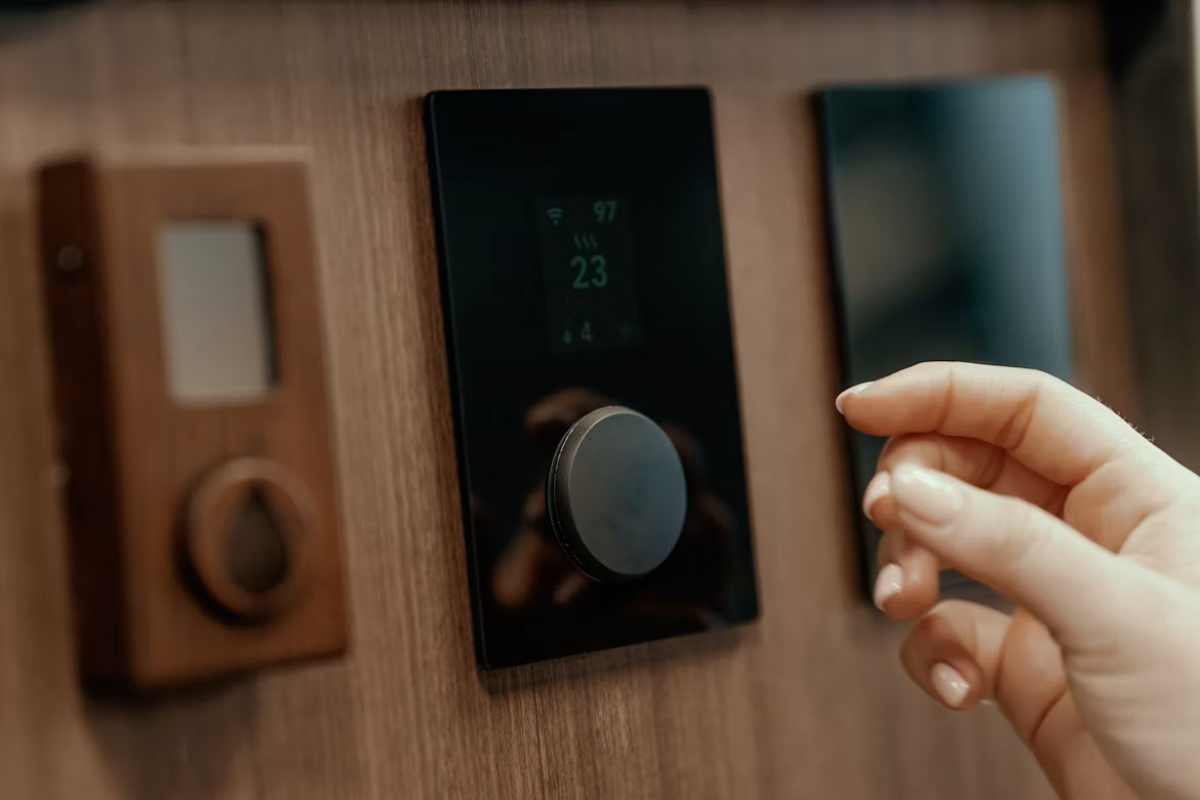
Technology has transformed nearly every aspect of daily life, and our homes are no exception. What once seemed like science fiction is becoming a reality as smart home gadgets continue to revolutionize how people live, work, and interact with their surroundings. From voice-controlled speakers and intelligent lighting systems to advanced security cameras and automated appliances, smart home technology is making homes more connected, efficient, and convenient than ever before.
The growing popularity of smart home gadgets is driven by advancements in wireless connectivity, artificial intelligence, and the Internet of Things (IoT). These innovations allow devices to communicate with one another, creating a seamless ecosystem that simplifies everyday tasks. Whether you’re looking to improve home security, reduce energy consumption, or enhance entertainment experiences, smart home gadgets offer practical solutions for modern living.
As more households embrace connected technology, understanding how smart home gadgets work and how they can benefit your lifestyle has become increasingly important. This guide explores everything you need to know about smart home technology and how it is shaping the future of residential living.
What Are Smart Home Gadgets?
Smart home gadgets are electronic devices that connect to the internet or a home network and can be controlled remotely through smartphones, tablets, computers, or voice assistants. Unlike traditional household devices, smart gadgets are designed to collect data, communicate with other devices, and automate specific tasks.
These gadgets range from simple devices such as smart plugs and smart bulbs to more sophisticated systems like smart thermostats, video doorbells, robotic vacuum cleaners, and home security systems. Many smart devices can be programmed to perform actions automatically based on schedules, user preferences, or environmental conditions.
The primary purpose of smart home gadgets is to make everyday living easier, safer, and more efficient. By integrating technology into routine household activities, homeowners can gain greater control over their environment while improving convenience and comfort.
How Smart Home Technology Works
The foundation of smart home technology lies in connectivity. Most smart home gadgets connect to a home’s Wi-Fi network, allowing users to monitor and control them remotely through dedicated mobile applications.
Many devices also integrate with voice assistants such as Amazon Alexa, Google Assistant, and Apple Siri. This enables users to perform tasks using simple voice commands. For example, a homeowner can adjust lighting, control room temperature, lock doors, or play music without physically interacting with the devices.
Artificial intelligence and machine learning have further enhanced smart home systems by enabling devices to learn user habits and preferences. Over time, smart gadgets can automate routine actions based on usage patterns, creating a more personalized experience.
Cloud computing also plays a significant role in data storage and in facilitating communication between devices. This interconnected ecosystem allows multiple gadgets to work together, creating a truly intelligent home environment.
Benefits of Using Smart Home Gadgets
One of the biggest advantages of smart home gadgets is convenience. Tasks that once required manual effort can now be completed automatically or controlled remotely. Homeowners can manage various aspects of their home from virtually anywhere using a smartphone.
Energy efficiency is another significant benefit. Smart thermostats, lighting systems, and energy-monitoring devices help reduce electricity consumption by optimizing usage based on real-time conditions and user behavior. This not only lowers utility bills but also supports environmental sustainability.
Enhanced security is also a major reason why many people invest in smart home technology. Smart cameras, video doorbells, motion sensors, and automated locks provide real-time monitoring and alerts, helping homeowners protect their property more effectively.
Additionally, smart home gadgets improve accessibility for elderly individuals and people with disabilities by enabling easier control of household systems through voice commands and automation.
Smart Home Gadgets for Home Security
Security remains one of the most popular applications of smart home technology. Modern smart security systems provide homeowners with greater visibility and control over their property than traditional security solutions.
Smart security cameras allow users to monitor their homes in real time through mobile apps. Many cameras feature motion detection, night vision, two-way audio, and cloud storage capabilities. These features enable homeowners to receive instant alerts whenever unusual activity is detected.
Video doorbells have also become increasingly popular. These devices allow users to see and communicate with visitors remotely, even when they are away from home. This added layer of security helps prevent package theft and unauthorized access.
Smart locks eliminate the need for traditional keys by allowing homeowners to lock and unlock doors using smartphones, access codes, or biometric authentication. Some systems can even generate temporary access codes for guests or service providers.
Together, these security-focused smart home gadgets provide peace of mind and greater protection for modern households.
Smart Home Gadgets for Energy Efficiency
As energy costs continue to rise, many homeowners are turning to smart home gadgets to improve efficiency and reduce utility expenses. These devices provide valuable insights into energy usage while automating processes that help conserve resources.
Smart thermostats are among the most effective energy-saving devices available today. They learn household routines and automatically adjust temperature settings to optimize comfort while minimizing energy waste. Many models also provide detailed reports that help users identify opportunities for further savings.
Smart lighting systems offer similar benefits. Homeowners can schedule lights to turn off when rooms are unoccupied or adjust brightness levels based on natural light availability. Motion sensors can further automate lighting control and reduce unnecessary energy consumption.
Smart plugs allow users to monitor and manage the energy usage of connected devices. By turning appliances on or off remotely, homeowners can prevent standby power consumption and improve overall efficiency.
Smart Home Gadgets for Entertainment
Entertainment has become another major area where smart home gadgets are making a significant impact. Connected devices allow users to create immersive entertainment experiences while simplifying media management.
Smart speakers serve as central hubs for music streaming, voice control, and home automation. Users can play music, access information, control smart devices, and perform various tasks through simple voice commands.
Smart televisions provide access to streaming platforms, online content, and personalized recommendations. Many modern TVs integrate directly with voice assistants and smart home ecosystems, enabling seamless control and interaction.
Home theater systems have also evolved through smart technology. Wireless speakers, soundbars, and multi-room audio systems allow users to enjoy high-quality audio throughout their homes without complex wiring.
Smart Home Gadgets for Convenience and Automation
One of the most appealing aspects of smart home technology is its ability to automate everyday tasks. Smart home gadgets are designed to reduce manual effort, save time, and streamline daily routines.
Robotic vacuum cleaners are a popular example of home automation. These devices can navigate rooms independently, clean floors on a schedule, and even return to their charging stations when their batteries are low. For busy households, this level of automation can significantly reduce the time spent on routine cleaning tasks.
Smart kitchen appliances are also becoming increasingly common. Refrigerators can track food inventory, suggest recipes, and send alerts when items are running low. Smart coffee makers allow users to schedule brewing times remotely, ensuring a fresh cup of coffee is ready when needed.
Automated blinds and curtains add another layer of convenience. These systems can open and close based on time schedules, sunlight levels, or voice commands. By integrating multiple smart devices, homeowners can create automated routines that perform several actions simultaneously, such as turning off lights, locking doors, and adjusting the thermostat before bedtime.
How Artificial Intelligence Is Transforming Smart Homes
Artificial intelligence is rapidly becoming one of the driving forces behind modern smart home technology. While early smart devices relied primarily on user commands, today’s AI-powered gadgets can learn from behavior patterns and make intelligent decisions.
For example, AI-enabled thermostats can analyze daily routines and adjust temperatures automatically to maximize comfort and energy efficiency. Smart lighting systems can learn occupancy patterns and optimize lighting schedules without requiring manual input.
Voice assistants have also become more sophisticated thanks to advancements in natural language processing. They can understand context, recognize different voices, and provide personalized responses based on user preferences.
AI-powered security systems can distinguish between normal activity and potential threats. Some advanced cameras can recognize familiar faces, detect suspicious behavior, and reduce false alarms caused by pets or environmental factors.
As artificial intelligence continues to evolve, smart home gadgets will become even more intuitive, enabling homes to anticipate user needs and respond proactively.
Choosing the Right Smart Home Gadgets
With so many smart home products available, selecting the right devices can be challenging. Before making a purchase, homeowners should carefully evaluate their goals and priorities.
The first step is identifying specific needs. Some individuals may prioritize security, while others may focus on energy savings, convenience, or entertainment. Understanding these priorities helps narrow down the most suitable devices.
Compatibility is another important factor. Smart home gadgets should work seamlessly with existing devices and preferred voice assistants. Choosing products within the same ecosystem often simplifies setup and improves overall performance.
Reliability and security should also be considered. Reading reviews, researching manufacturers, and evaluating software support can help ensure long-term satisfaction. Devices that receive regular software updates are generally better equipped to address security vulnerabilities and maintain functionality.
Budget considerations are equally important. While it may be tempting to purchase multiple devices at once, starting with a few essential gadgets and gradually expanding the system is often a more practical approach.
Common Challenges of Smart Home Technology
Despite the many benefits of smart home gadgets, there are also challenges that users should be aware of before building a connected home.
Privacy concerns remain one of the biggest issues. Many smart devices collect data to improve functionality and personalization. While this data can enhance user experiences, it also raises questions about how information is stored, shared, and protected.
Cybersecurity is another important consideration. Connected devices can become potential targets for hackers if they are not properly secured. Using strong passwords, enabling two-factor authentication, and regularly updating device firmware can help reduce security risks.
Connectivity issues may also occur. Because many smart home gadgets rely on stable internet connections, network outages can temporarily affect functionality. Investing in a reliable home network can minimize disruptions.
Compatibility challenges can arise when devices from different manufacturers use different communication protocols. Careful planning and product research can help avoid integration problems and ensure a smoother user experience.
Future Trends in Smart Home Gadgets
The future of smart home technology looks incredibly promising. As artificial intelligence, machine learning, and IoT technologies continue to advance, smart homes are expected to become even more intelligent and interconnected.
One emerging trend is predictive automation. Future smart home systems may be able to anticipate user needs before commands are issued. For example, homes could automatically adjust lighting, temperature, and entertainment settings based on individual preferences and daily habits.
Health-focused smart home gadgets are also gaining attention. Smart mirrors, sleep-monitoring systems, and connected health devices may play a larger role in helping individuals manage their well-being from home.
Sustainability will likely become another major focus. Smart energy management systems will continue improving efficiency by optimizing electricity consumption, integrating renewable energy sources, and reducing environmental impact.
Advancements in voice recognition and conversational AI are expected to make interactions with smart devices feel more natural and intuitive. Future assistants may understand complex requests, maintain context across conversations, and provide highly personalized recommendations.
The development of universal connectivity standards may also improve compatibility between devices, creating a more seamless smart home experience regardless of the manufacturer.
Conclusion
Smart home gadgets are transforming modern living by making homes more connected, intelligent, and efficient. From improving security and reducing energy consumption to enhancing convenience and entertainment, these devices offer practical benefits that appeal to a wide range of homeowners.
As technologies such as artificial intelligence, machine learning, and the Internet of Things continue to evolve, smart homes will become even more capable of adapting to user needs and simplifying everyday life. While challenges related to privacy, security, and compatibility remain important considerations, the advantages of smart home technology continue to outweigh the drawbacks for many consumers.
Whether you are just beginning your smart home journey or looking to expand an existing setup, investing in the right smart home gadgets can help create a safer, more comfortable, and future-ready living environment. As innovation continues to accelerate, connected homes are poised to become an increasingly important part of how people live, work, and interact with technology.
Frequently Asked Questions About Smart Home Gadgets
Are smart home gadgets worth the investment?
For many homeowners, smart home gadgets provide significant benefits in terms of convenience, security, energy efficiency, and overall quality of life. The value often depends on individual needs and how the technology is used.
Do smart home devices require internet access?
Most smart home gadgets rely on internet connectivity for remote control, cloud-based features, and communication with other devices. However, some devices can still perform limited functions locally without internet access.
Are smart home gadgets secure?
Modern smart devices include various security features, but users should take precautions such as using strong passwords, updating software regularly, and enabling additional security settings whenever possible.
Can smart home gadgets help reduce energy bills?
Yes. Devices such as smart thermostats, smart lighting systems, and energy-monitoring plugs can help optimize energy consumption and reduce unnecessary usage, potentially lowering utility costs.
Is it difficult to set up a smart home?
Many modern smart home gadgets are designed for easy installation and user-friendly setup. Most devices include mobile apps that guide users through the configuration process step by step.